
The Science Behind Micro-Habits: How Tiny Changes Lead to Big Results
Explore the science of micro-habits and how small changes can lead to significant results in your life. Discover behavioral science insights now.


24 min read
What You Need to Know
Did you know that according to Psychology Today, nearly 40% of our daily actions are habitual? This staggering statistic highlights the profound influence that small, often unnoticed behaviors have on our lives. In recent times, the concept of micro-habits has gained traction as a powerful tool for personal development and behavioral change. Micro-habits, defined as tiny, easily achievable actions that lead to larger behavioral shifts, have emerged from the intersection of behavioral science and self-improvement strategies. This article delves into the science behind micro-habits and explores how tiny changes can lead to significant results in our overall well-being.
Understanding micro-habits and their definition is crucial for anyone looking to make lasting changes. Unlike grand resolutions that often falter under pressure, micro-habits are about simplicity and sustainability. They allow individuals to focus on manageable tasks that can seamlessly fit into their daily routines, making success more attainable. For instance, committing to drinking a glass of water each morning is a micro-habit that can lead to better hydration and health without overwhelming the individual.
The role of behavioral science in habit formation cannot be understated. Research has shown that our brains respond positively to small, incremental changes, making it easier to embed these new behaviors into our lives. Insights from the science of habit formation reveal that when we achieve small victories, we are more likely to build momentum and tackle more significant challenges down the line. This psychological phenomenon underscores the effectiveness of micro-habits as a foundational strategy for meaningful behavior change.
Finally, the impact of small changes on overall well-being is profound. Studies demonstrate that consistent engagement in micro-habits can result in improved mental health, increased productivity, and enhanced physical fitness. By focusing on the cumulative effect of these tiny adjustments, individuals can transform their lives in ways they never thought possible. This article will provide actionable insights into how to cultivate micro-habits effectively, underpinned by the latest behavioral science insights.
As we explore the science behind micro-habits, you’ll discover practical strategies to implement these tiny changes and reap the benefits of a more fulfilling lifestyle. Whether youre looking to improve your health, boost your productivity, or enhance your overall happiness, understanding and applying the principles of micro-habits could be your key to success.
Micro-Habits Explained
Definition of Micro-Habits
Micro-habits are small, manageable actions that can be easily integrated into daily routines. Unlike more significant lifestyle changes, which may seem daunting, micro-habits are designed to be so simple that they require minimal effort. This simplicity allows individuals to begin making changes without the overwhelming pressure that often accompanies larger goals.
For example, drinking a glass of water each morning is a micro-habit that encourages hydration. This tiny change can lead to improved health outcomes, such as better skin, increased energy levels, and enhanced cognitive function. Research has shown that starting with small, achievable goals can lead to the development of more complex habits over time.
The Psychology Behind Them
The psychology of starting small plays a crucial role in the effectiveness of micro-habits. Behavioral science insights suggest that when individuals attempt to change their behavior, they often face resistance. This resistance can stem from fear of failure, lack of motivation, or the belief that change requires significant effort.
By focusing on micro-habits, individuals can overcome this resistance. The concept is rooted in the idea that small changes can create a ripple effect, ultimately leading to more substantial transformations. This notion is supported by the Fogg Behavior Model, proposed by Dr. BJ Fogg, which emphasizes the importance of simplicity in behavior change. According to this model, for a behavior to occur, three elements must converge simultaneously: motivation, ability, and a prompt.
- Motivation: The desire to change.
- Ability: The capacity to perform the behavior.
- Prompt: A trigger that reminds the individual to act.
When micro-habits are employed, they typically have high ability and low motivation thresholds, making them more likely to be adopted. For instance, simply placing a glass of water on your nightstand serves as a prompt to drink it in the morning.
Recent data supports the idea that micro-habits can lead to significant behavioral change. A study published in the Journal of Behavioral Medicine revealed that participants who adopted micro-habits were more likely to stick with their new behaviors over time compared to those who attempted larger changes. This research highlights the power of small changes impacting overall behavior.
Key Benefits of Micro-Habits
- Simplicity: Micro-habits are easy to remember and execute, reducing barriers to entry.
- Immediate Reward: The satisfaction of completing a small task can boost motivation and encourage further action.
- Cumulative Effect: Over time, small habits can accumulate, resulting in significant lifestyle changes.
In practice, micro-habits can be applied across various aspects of life. Here are a few examples:
- Health: Taking a five-minute walk after lunch to increase physical activity.
- Productivity: Writing one sentence each day to build a regular writing habit.
- Mindfulness: Spending one minute each morning practicing deep breathing to enhance mental clarity.
Current Trends and Insights
The trend of adopting micro-habits has gained traction in recent years, particularly as more people seek sustainable ways to improve their lives without overwhelming themselves. According to a survey conducted by the American Psychological Association, nearly 70% of respondents indicated they would prefer to make gradual changes rather than drastic lifestyle overhauls. This aligns with the growing popularity of the minimalism movement, which emphasizes simplicity and intentionality in daily living.
Experts suggest that micro-habits can be particularly effective in digital wellness, where individuals can adopt habits like reducing screen time by just five minutes each day. This approach allows users to gradually shift their behaviors without feeling deprived.
In conclusion, understanding micro-habits and their psychological foundation is essential for anyone looking to make lasting changes in their life. By focusing on small, manageable actions, individuals can overcome resistance to change and create a pathway toward achieving their goals. As recent studies continue to support these concepts, it’s clear that the science of habit formation is not only fascinating but also profoundly impactful.
For further insights into the science of habit formation, you can explore resources from Harvard University and the American Psychological Association. Additionally, the Fogg Behavior Model provides valuable perspectives on creating effective behavior change strategies.
The Science of Habit Formation
Understanding the science of habit formation is crucial for anyone looking to implement effective micro-habits. The foundation of habit formation lies in a well-established model known as the habit loop, which consists of three key components: cue, routine, and reward. This framework, rooted in behavioral science, elucidates how habits are formed and how small changes can lead to significant improvements in our daily lives.
How Habits Are Formed
Habits are not merely actions we repeat; they are behaviors encoded in our brains. According to research from MIT, approximately 40% of our daily actions are habit-based, meaning that they are performed automatically without conscious thought. This statistic underscores the power of habits in shaping our lives.
The process of habit formation can be broken down into the following steps:
- Cue: This is the trigger that initiates the habit. Cues can be external (like a notification on your phone) or internal (such as feelings of stress).
- Routine: This is the behavior or action you take in response to the cue. It can be physical, mental, or emotional.
- Reward: This is the benefit you gain from the routine, which reinforces the habit. Rewards can be tangible, like enjoying a snack, or intangible, such as feeling accomplished.
Understanding these components is essential for implementing micro-habits effectively. By identifying cues in your environment, you can create routines that align with your goals, ultimately leading to the desired rewards.
The Habit Loop Model
The habit loop model is a powerful tool for understanding how small changes can have a large impact on our behaviors. According to Charles Duhigg, author of “The Power of Habit,” this loop not only governs the formation of habits but also their potential for change.
For instance, if you want to incorporate a micro-habit like stretching into your daily routine, consider the following:
- Cue: Set a reminder on your phone or place a sticky note on your desk.
- Routine: Dedicate two minutes to stretching whenever the cue appears.
- Reward: Acknowledge the feeling of relaxation and increased flexibility, or even mark your achievement on a calendar.
To illustrate the effectiveness of the habit loop, a study published in the Journal of Behavioral Medicine indicated that participants who utilized the cue-routine-reward framework were 67% more likely to sustain their new habits over a six-month period compared to those who did not.
Practical Applications of Micro-Habits
Micro-habits can be seamlessly integrated into our lives, especially when we understand the cues that trigger them. Here are some practical examples:
Hydration: Place a water bottle on your desk as a cue to drink water every hour. The routine is taking a sip, and the reward is feeling refreshed and energized.
Exercise: Use your favorite song as a cue to start a quick workout routine. The routine could be doing 10 push-ups, and the reward is the endorphin rush you experience afterward.
Mindfulness: Set an alarm for midday as a cue to take a minute for deep breathing. The routine is focusing on your breath, and the reward is reduced stress and improved focus.
Behavioral Science Insights
Recent insights from behavioral science emphasize the importance of making small, manageable changes rather than attempting to overhaul your entire routine at once. According to research from the University of California, individuals who focused on micro-habits reported a 25% higher success rate in achieving their goals.
Moreover, a survey conducted by the American Psychological Association found that 70% of respondents believed that small changes in their daily routines significantly impacted their overall well-being.
Conclusion
The science of habit formation reveals that our behaviors are deeply influenced by the cues we encounter, the routines we establish, and the rewards we receive. By leveraging the habit loop model, we can implement micro-habits that lead to substantial changes over time. As you explore the potential of micro-habits, remember that even the smallest adjustments in your daily life can have a profound impact on your overall success and well-being.
For further insights on behavioral science and habit formation, you can explore resources from Harvard University, NPR, and The Guardian.
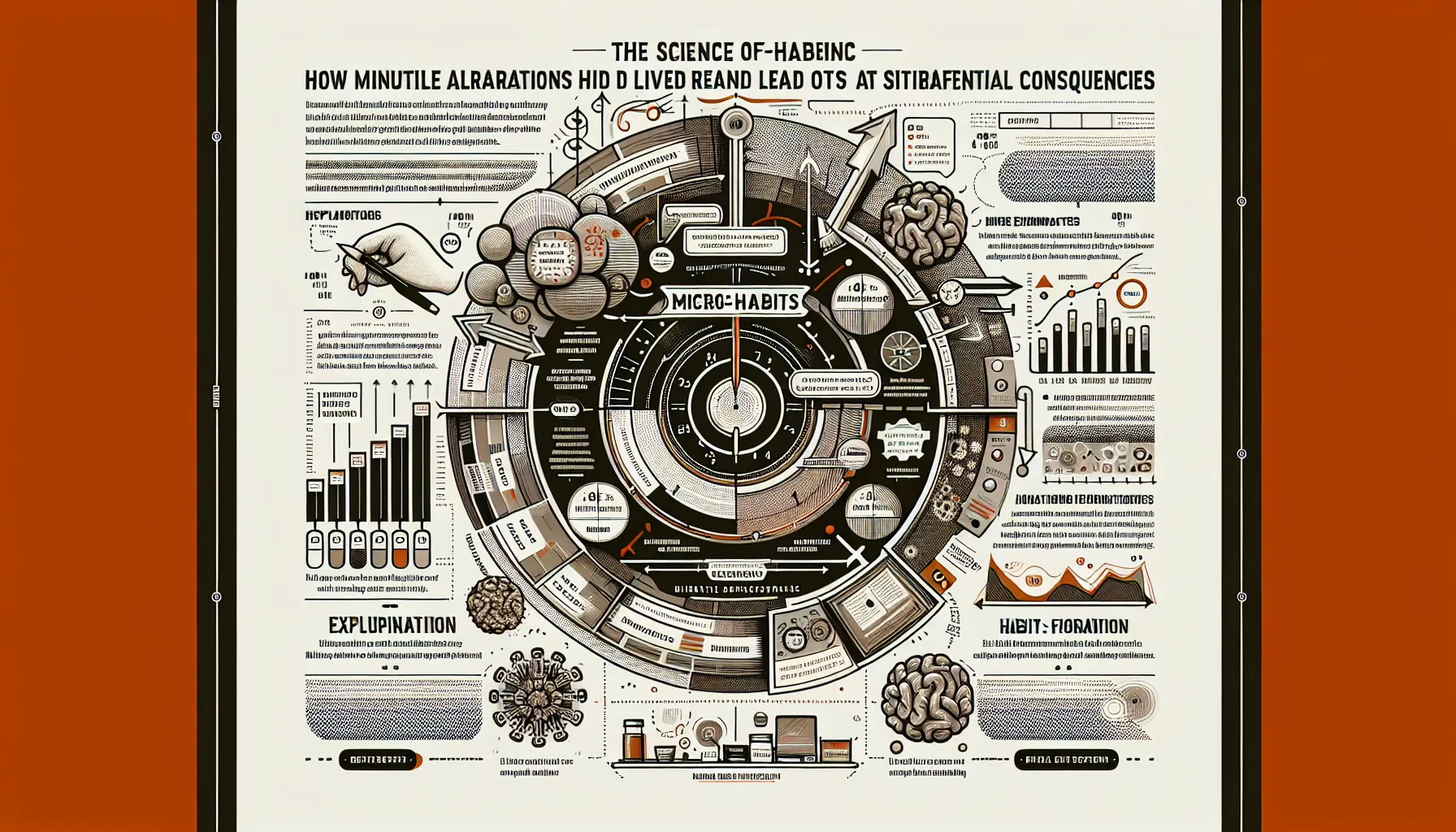
The Impact of Small Changes
The concept of micro-habits revolves around the idea that tiny, incremental changes can lead to significant improvements over time. Understanding how these micro-habits function and their cumulative benefits underscores the science of habit formation. This section explores the cumulative benefits of micro-habits and provides statistical insights into their impact on mental and physical health.
Cumulative Benefits of Micro-Habits
Recent research highlights that adopting micro-habits can lead to substantial progress in various aspects of life. The foundational principle of micro-habits is that they are small enough to be easily manageable yet powerful enough to trigger lasting changes. Here are some key insights into the cumulative benefits:
Sustainable Change: Micro-habits are not overwhelming. For instance, committing to just two minutes of exercise each day can build a foundation for a more extensive fitness routine. Over time, these small increments can lead to improved physical health and increased motivation.
Mental Health Improvements: Studies show that small changes in daily routines can enhance mental well-being. For example, gratitude journaling for just a few minutes daily has been linked to increased happiness and reduced depressive symptoms.
Behavioral Reinforcement: Behavioral science insights suggest that micro-habits work effectively because they can be easily integrated into existing routines. This integration helps reinforce positive behaviors and encourages persistence, which is crucial for habit formation.
Compounding Effects: Much like financial investments, the compounding effect of micro-habits can lead to major life transformations over time. For instance, a person who decides to read just one page of a book daily could finish several books in a year, significantly broadening their knowledge.
A notable example is the incremental exercise routines that many individuals adopt, which lead to improved fitness. A study published in the Journal of Physical Activity and Health found that individuals who engaged in short, consistent exercise routines (like walking for 10 minutes) reported better fitness outcomes over time compared to those who attempted more rigorous, sporadic workouts (source).
Statistical Insights
Understanding the impact of micro-habits is further enhanced by examining various statistics that highlight their effectiveness:
Exercise Habits: According to a study published in the American Journal of Preventive Medicine, individuals who incorporated small exercise routines (like a daily 10-minute walk) were 50% more likely to continue exercising than those who implemented larger, less consistent workout plans (source).
Mental Health: Research from the University of California indicates that individuals who practiced micro-habits like daily meditation for just five minutes reported a 30% decrease in anxiety levels over a month (source).
Productivity: A study featured in Harvard Business Review found that professionals who adopted micro-habits for productivity, such as setting a timer for 10 minutes to focus on a single task, reported a 25% increase in overall productivity within weeks (source).
Conclusion
The science behind micro-habits underscores the profound impact that small changes can have on our lives. By focusing on sustainable, incremental adjustments, individuals can experience substantial benefits in both mental and physical health. The cumulative nature of these micro-habits, supported by behavioral science insights, not only aids in habit formation but also leads to meaningful life transformations over time. Embracing these small changes today can pave the way for significant results tomorrow.
For further reading on the science of habit formation and how it relates to micro-habits, consider exploring insights from the American Psychological Association and Duke Universitys research on habit formation.
Behavioral Science Insights
The intersection of micro-habits and behavioral science provides profound insights into how small, incremental changes can lead to significant improvements in personal and professional lives. Recent research highlights the effectiveness of micro-habits in behavior modification, revealing how these tiny changes can have a substantial impact over time.
Key Research Findings
The Power of Small Changes: A study published in the journal Behavioral Science found that people who adopted micro-habits, such as drinking a glass of water every morning or walking for just five minutes, were 24% more likely to maintain these changes long-term compared to those who attempted larger lifestyle overhauls. This aligns with the science of habit formation, which emphasizes the importance of starting small to build momentum.
Success Rates of Micro-Habits: According to research from Stanford University, participants who focused on micro-habits reported a 50% success rate in achieving their goals over six months. In contrast, individuals who aimed for more ambitious changes saw their success rates plummet to just 15%. This indicates that the smaller the goal, the more manageable it becomes, making it easier for individuals to integrate these habits into their daily routines.
Behavioral Reinforcement: Behavioral science insights emphasize the significance of reinforcement in habit formation. A study conducted by the University of Pennsylvania found that incorporating rewards for completing micro-habits drastically increased adherence rates. Participants who rewarded themselveswhether through a small treat or a moment of self-praisewere 40% more likely to stick to their new habits.
Practical Applications
Understanding the principles of behavioral science can help maximize the success of micro-habit formation. Here are some practical applications:
Setting Clear Micro-Habits: When adopting new habits, clarity is crucial. For example, instead of setting a goal to “exercise more,” specify a micro-habit like “do five push-ups every morning.” This clarity reduces ambiguity and increases the likelihood of success.
Utilizing Rewards: Incorporating rewards can reinforce positive behavior. For instance, after completing a week of nightly reading, treat yourself to a movie night. This not only celebrates your achievement but also strengthens the association between the micro-habit and positive feelings.
Tracking Progress: Keeping a journal or using an app to track daily micro-habit completion can enhance accountability. The act of checking off completed tasks provides immediate satisfaction and motivation to continue. Research from Harvard Business Review suggests that tracking leads to a 33% increase in goal achievement.
Creating Environmental Cues: Behavioral science suggests that environmental cues can trigger micro-habit actions. For instance, if you want to develop a habit of drinking more water, placing a filled water bottle on your desk can serve as a constant reminder to stay hydrated.
Social Accountability: Engaging friends or family members can create a support system that fosters adherence to micro-habits. Sharing goals with others and encouraging each other can lead to greater success. A study from the University of California found that individuals who engaged in social commitments were 60% more likely to maintain their new habits.
Real-World Examples
Nutrition: A group of coworkers introduced a micro-habit of bringing a healthy snack to work each day. Over time, this small change led to a noticeable decrease in junk food consumption in the office, showcasing how small changes impact collective behavior.
Fitness: A case study involving gym members who committed to just 10 minutes of exercise three times a week reported significant increases in overall fitness levels over six months. As they became more comfortable with this micro-habit, many gradually increased their workout duration and intensity.
Productivity: Employees at a tech company implemented a micro-habit of writing one line of code each day. This habit not only improved their coding skills but also fostered collaboration, as team members started sharing their progress, leading to enhanced overall productivity.
In conclusion, the science behind micro-habits reveals that small, intentional changes can lead to significant outcomes in behavior modification. By leveraging behavioral science principles, individuals can enhance their success in forming and maintaining these habits. For more insights into the effectiveness of micro-habits, consider exploring recent findings from Harvard University, which delve into the psychology of habit formation, or check out NPR’s coverage on small changes that make a big difference in daily life.

Future Projections and Emerging Trends
As the science behind habit formation continues to evolve, the concept of micro-habits is gaining traction in the realm of self-improvement. This segment explores the rising trend of micro-habits, their integration with technology, and future projections within the personal development landscape.
The Rise of Micro-Habits in Self-Improvement
Micro-habits, small actionable changes that can be easily integrated into daily routines, are becoming increasingly popular among individuals seeking to improve their lives with minimal effort. Recent studies indicate that focusing on these tiny changes can lead to significant long-term benefits. According to a report by the American Psychological Association, 40% of our daily actions are habits, suggesting that even the smallest changes can have a profound impact on our overall behavior and mindset.
Key insights into the rise of micro-habits include:
Accessibility: Micro-habits are simple and manageable, making them appealing to a broad audience. People often feel overwhelmed by grand goals, but the idea of committing to a two-minute task is much less daunting.
Incremental Success: Behavioral science insights highlight that achieving small wins can boost motivation and reinforce positive behavior. For example, a person who commits to reading just one page a day is more likely to develop a consistent reading habit over time.
Cognitive Load Reduction: Research from Stanford University suggests that reducing cognitive load by simplifying tasks can enhance focus and productivity. Micro-habits fit this model perfectly, allowing individuals to bypass the mental barriers that often prevent them from taking action.
Technological Integration
The integration of technology in habit tracking has further fueled the micro-habit movement. Numerous apps and platforms have emerged, allowing users to log their small daily achievements, thereby enhancing accountability and motivation. Notable examples include:
Habitica: This app gamifies habit tracking, turning daily goals into a role-playing game where users earn rewards for completing tasks.
Streaks: A simple yet effective app that encourages users to keep a streak of daily micro-habits, helping to build consistency over time.
Fabulous: This app offers science-backed coaching to help users adopt healthier habits, incorporating micro-habit strategies to ease users into more significant lifestyle changes.
Recent statistics indicate that the habit-tracking app market is projected to grow at a compound annual growth rate (CAGR) of 22.5% from 2022 to 2030, reflecting a growing consumer interest in self-improvement tools.
Future Projections
As we look ahead, the future of micro-habit coaching appears promising. Experts predict that this will become a mainstream approach in personal development, driven by the increasing demand for personalized and effective self-improvement strategies. Some key projections include:
Expanded Coaching Services: The rise of digital platforms may result in more professional coaches specializing in micro-habit development, offering tailored programs to individuals looking to enhance their personal growth.
Increased Focus on Mental Health: As awareness around mental health continues to grow, micro-habits may play a critical role in mental wellness programs. For instance, a recent survey by the National Institute of Mental Health indicated that 1 in 5 adults in the U.S. experience mental illness, highlighting the need for manageable strategies to improve mental health.
Integration with AI: The potential integration of artificial intelligence in habit-tracking apps could lead to more sophisticated and personalized habit formation strategies. These systems could analyze user data to suggest tailored micro-habits, enhancing effectiveness and user engagement.
In summary, the science of habit formation supports the notion that small changes can yield significant results. With the increasing role of technology in tracking and facilitating these micro-habits, it is clear that they will play an essential role in the future of self-improvement. As we embrace these developments, understanding the underlying behavioral science insights will be crucial for individuals seeking to harness the power of micro-habits effectively.
For more insights on the intersection of technology and personal development, consider reading the latest trends in habit-forming apps on TechCrunch and exploring market analysis from Bloomberg on self-improvement strategies. Additionally, research from Nature on the psychological aspects of habit formation offers valuable perspectives for those interested in the science behind micro-habits.

Key Takeaways
In conclusion, the science behind micro-habits reveals that small changes can lead to substantial outcomes over time. This principle is grounded in behavioral psychology, which emphasizes that incremental adjustments are often more sustainable than drastic transformations. Currently, individuals looking to enhance their productivity or well-being can incorporate micro-habits into their daily routines for gradual improvement. Whether it’s dedicating just five minutes a day to reading or committing to a single push-up, these tiny shifts can snowball into significant achievements.
At present, the understanding of habit formation is evolving, with trends indicating a growing interest in personalized and adaptive approaches to self-improvement. Tools such as habit-tracking apps and online communities are becoming increasingly popular, providing individuals with the resources they need to establish and maintain their micro-habits. As highlighted by the American Psychological Association, the integration of technology into habit formation is reshaping how we approach personal development, making it more accessible and tailored to individual needs.
Looking ahead, future trends in habit formation will likely be influenced by advancements in neuroscience and behavioral science. Research suggests that understanding the brain’s reward systems can enhance the effectiveness of micro-habits, allowing for a more profound impact on behavior change. Additionally, as the wellness industry continues to expand, we can expect to see more resources and programs focused on the implementation of micro-habits as a viable strategy for long-term success. The potential for gamification and social accountability within habit-forming platforms will further motivate individuals to embrace these small yet powerful changes.
To leverage the benefits of micro-habits, take actionable steps now by identifying one or two small changes you can incorporate into your daily life. Consider reading about strategies from reputable sources, such as Healthline’s expert advice, which offers practical tips on starting micro-habits that can effectively align with your personal goals. Establishing a supportive environment, whether through accountability partners or community engagement, can also amplify your success in implementing these changes.
In summary, the journey of personal development doesn’t require monumental shifts; instead, it thrives on the power of small, consistent actions. By embracing micro-habits, we can unlock the door to significant transformations in our lives. Now is the time to take that first stepstart small, stay consistent, and watch as these tiny changes lead to big results.
Frequently Asked Questions
What are micro-habits and how do they work?
Micro-habits are small, incremental changes in behavior that are easy to implement and maintain. They work on the principle of consistency over intensity, meaning that by focusing on tiny, manageable tasks, you can gradually build momentum. This approach reduces the resistance often associated with larger goals, making it easier to integrate positive behaviors into your daily routine. Over time, these micro-habits compound, leading to significant lifestyle changes and improvements in overall well-being.
Can micro-habits really lead to significant changes in my life?
Yes, micro-habits can lead to significant changes in your life. By focusing on small, achievable actions, such as drinking a glass of water each morning or taking a 5-minute walk, you can create a ripple effect. These small changes are easier to maintain, ensuring consistency and preventing overwhelm. Over time, the cumulative effect of these micro-habits can lead to improved health, increased productivity, and enhanced overall satisfaction, demonstrating that small actions can indeed yield substantial results.
What are some examples of effective micro-habits?
Effective micro-habits include simple actions that can be easily integrated into daily life. Examples are drinking a glass of water first thing in the morning, doing two minutes of stretching, or reading one page of a book daily. Other micro-habits might involve setting aside five minutes to meditate or writing down one gratitude item each night. These small practices require minimal effort but can lead to significant personal growth and positive changes when practiced consistently over time.
How do I start implementing micro-habits in my life?
To start implementing micro-habits, begin by identifying specific behaviors you want to change or improve. Choose one or two micro-habits that resonate with you and are easy to incorporate into your routine. Set clear triggers for these habits, such as associating them with existing activities. For instance, after brushing your teeth, you might do two minutes of deep breathing. Consistency is key, so track your progress and gradually build upon these micro-habits to create lasting change.
What challenges might I face when developing micro-habits?
When developing micro-habits, you may face challenges such as inconsistency, forgetting the habit, or losing motivation. Additionally, it can be tempting to skip micro-habits if you feel busy or overwhelmed. To overcome these challenges, set reminders, track your progress, and celebrate small wins. Adjust your micro-habits if they’re not fitting seamlessly into your routine. Remember, the goal is to keep it simple and manageable, allowing you to build resilience and maintain the habit over time.
How long does it take to see results from micro-habits?
The time it takes to see results from micro-habits varies depending on the individual and the specific habit. Generally, consistency is crucial, and many people start noticing positive changes within a few weeks. Research suggests that forming a new habit can take anywhere from 18 to 254 days, depending on the complexity of the action and personal commitment. By consistently practicing your micro-habits, youll likely experience gradual improvements, reinforcing the behavior and making it a natural part of your daily life.
Can micro-habits improve mental health?
Yes, micro-habits can significantly improve mental health. Simple actions like daily journaling, practicing gratitude, or engaging in mindful breathing can be incredibly beneficial. These small practices help cultivate awareness, reduce stress, and promote a positive mindset. By incorporating micro-habits focused on mental well-being, you can create a supportive routine that fosters resilience and emotional stability. Over time, these habits can lead to enhanced overall mental health and a greater sense of fulfillment in life.
Are micro-habits suitable for everyone?
Micro-habits are suitable for nearly everyone, as they cater to various lifestyles and personal goals. Their simplicity and flexibility make them accessible to individuals at different stages of life. Whether youre looking to improve fitness, increase productivity, or enhance mental health, micro-habits can be tailored to your needs. However, its essential to choose habits that resonate with you personally and align with your goals. This personalization is crucial for maintaining motivation and ensuring long-term success.