
Mindfulness Techniques to Reduce Stress: A Comprehensive Guide
Explore effective mindfulness techniques to reduce stress with our comprehensive guide filled with tips and practices for stress management.


25 min read
What You Need to Know About Mindfulness and Stress
In recent times, a staggering report from the American Psychological Association revealed that nearly 80% of adults experience significant stress regularly, with many citing work, finances, and health as major contributors. As these stress levels continue to rise, so too does the search for effective strategies to combat this pervasive issue. One approach that has gained substantial traction is the practice of mindfulness, which has been shown to effectively reduce stress through various techniques.
Mindfulness, the practice of being present and fully engaging with the current moment without judgment, offers an array of benefits that can significantly enhance stress management. By cultivating awareness and acceptance, individuals can better navigate their emotional responses and develop resilience against the challenges of daily life. This article will delve into the essential mindfulness techniques that can serve as powerful tools for reducing stress, providing a practical guide for those seeking relief.
We will explore the intricate connection between mindfulness and stress reduction, highlighting recent statistics that illustrate the alarming rise in stress levels across various demographics. Furthermore, we will examine the growing popularity of mindfulness practices within modern society, as more people recognize the importance of mental well-being in their everyday lives. From simple breathing exercises to guided meditations, this article will offer actionable reduce stress tips that readers can easily incorporate into their routines.
For those looking to enhance their mental health and well-being, this stress management guide will serve as an invaluable resource. By implementing mindfulness techniques, individuals can not only alleviate stress but also foster a deeper sense of peace and balance in their lives. Join us as we embark on a journey through mindfulness practices, equipping you with the knowledge and skills necessary to cultivate a calmer, more centered existence.
As we navigate through this article, we will provide a comprehensive mindfulness practices tutorial, ensuring that you have the tools to practice effectively and mindfully. Whether you are a beginner or someone who has dabbled in mindfulness before, the insights shared here will empower you to take charge of your mental well-being. Stay tuned as we unlock the potential of mindfulness in your quest for a stress-free life.
Understanding Mindfulness Techniques
Definition of Mindfulness
Mindfulness is the practice of being fully present and engaged in the moment, without judgment. It encourages individuals to focus on their thoughts, feelings, and surroundings in a non-reactive manner. This technique has its roots in ancient meditation practices but has gained popularity in modern psychology as a practical approach to improving mental health and well-being. The essence of mindfulness lies in cultivating awareness and acceptance, which can lead to profound changes in how we experience stress and daily challenges.
Research indicates that mindfulness can significantly influence how we respond to stressors. A study published in the journal Psychological Science found that individuals who practiced mindfulness showed greater emotional regulation and resilience when faced with stressful situations. This highlights how mindfulness techniques can serve as effective stress management tools.
Benefits of Mindfulness Practices
The benefits of mindfulness practices extend beyond immediate stress relief. Numerous studies have documented a wide range of positive outcomes associated with regular mindfulness practice. Some key benefits include:
Reduced Stress: Mindfulness techniques help lower cortisol levels, the hormone associated with stress. According to a meta-analysis in Health Psychology Review, mindfulness interventions significantly reduce stress levels across various populations.
Improved Mental Health: Regular mindfulness practice has been linked to decreased symptoms of anxiety and depression. A study published in JAMA Internal Medicine revealed that mindfulness meditation can lead to moderate improvements in anxiety, depression, and pain.
Enhanced Focus and Concentration: Mindfulness practices can improve cognitive flexibility and attention span. Research from Harvard University indicates that mindfulness training can lead to structural changes in the brain, particularly in areas associated with attention and emotional regulation.
Better Emotional Regulation: Mindfulness encourages a non-judgmental approach to thoughts and feelings, allowing individuals to respond more skillfully to emotional triggers. This can enhance interpersonal relationships and overall emotional intelligence.
Increased Self-Awareness: Engaging in mindfulness practices fosters a deeper understanding of oneself, leading to improved self-esteem and personal growth.
Mindful Breathing Exercises
One of the simplest yet most effective mindfulness techniques is mindful breathing. This practice can serve as an anchor for thoughts and emotions, especially during stressful moments. Here鈥檚 a brief tutorial on how to perform a mindful breathing exercise:
Find a Comfortable Position: Sit or lie down in a comfortable position. Close your eyes if you feel comfortable doing so.
Focus on Your Breath: Take a deep breath in through your nose, allowing your abdomen to expand. Hold for a moment.
Exhale Slowly: Release the breath slowly through your mouth. Feel the tension leaving your body with each exhale.
Count Your Breaths: To maintain focus, count each breath. Inhale (1), exhale (2), and continue up to 10. Then start again from 1.
Acknowledge Distractions: If your mind wanders, gently redirect your focus back to your breath without judgment. Acknowledge the distraction, and bring your attention back.
Practice Regularly: Aim to practice this exercise for 5 to 10 minutes daily. Over time, you may notice enhanced clarity and reduced stress responses in daily life.
As you integrate these mindfulness techniques into your routine, consider these stress-reduction tips:
Set Aside Time: Dedicate specific times for mindfulness practice each day, making it a non-negotiable part of your schedule.
Create a Mindful Environment: Designate a quiet space where you can practice mindfulness without distractions.
Use Guided Resources: Apps like Headspace and Calm offer guided mindfulness practices, which can be beneficial for beginners.
Recent trends indicate a growing interest in mindfulness practices, particularly in corporate environments. Companies are increasingly incorporating mindfulness training into employee wellness programs to enhance productivity and reduce burnout. A recent report by the World Health Organization highlights that workplace mindfulness initiatives can lead to significant improvements in employee well-being and job satisfaction.
In conclusion, mindfulness techniques offer powerful tools for reducing stress and enhancing mental health. By cultivating awareness and acceptance, individuals can navigate life’s challenges with greater ease. As you explore these mindfulness practices, remember that consistency and commitment are key to experiencing the full benefits.
For more insights on the impact of mindfulness on mental health, you can refer to the [Harvard Medical School’s guide on mindfulness](https://www.health.harvard.edu/mind-and-mood/mindfulness meditation). Additionally, to understand the broader implications of mindfulness in the workplace, explore the findings from NPR on corporate mindfulness initiatives.
As you embark on your journey with mindfulness, consider these practices as part of your overall stress management guide, helping you to cultivate a more balanced and fulfilling life.
Popular Mindfulness Techniques to Reduce Stress
In today’s fast-paced world, stress has become an omnipresent challenge. Many individuals are turning to mindfulness techniques as effective means to mitigate stress, improve well-being, and enhance overall mental health. This section will explore three popular mindfulness practices: Meditation, Mindful Eating, and Body Scan, each providing unique benefits for stress management.
Meditation
Meditation practices have gained traction for their effectiveness in stress management. A comprehensive review published in JAMA Internal Medicine revealed that mindfulness meditation can lead to moderate reductions in anxiety, depression, and pain, showcasing its potential as a valuable tool for mental health improvement (Harvard Health Publishing).
There are various forms of meditation that individuals can practice, including:
- Guided Meditation: Utilizing apps like Headspace, Calm, or Insight Timer, users can engage in guided sessions designed to promote relaxation and mindfulness. Recent data indicates that approximately 36 million Americans reported practicing meditation in 2020, a significant increase from previous years.
- Transcendental Meditation (TM): A popular technique where individuals silently repeat a mantra to settle the mind. Research has shown that TM practitioners report lower stress levels and improved emotional well-being.
- Mindfulness-Based Stress Reduction (MBSR): Developed by Dr. Jon Kabat-Zinn, MBSR combines mindfulness meditation and yoga to help individuals cultivate awareness and reduce stress. Studies have shown participants in MBSR programs experience significant reductions in stress and anxiety levels (source: American Psychological Association).
Incorporating meditation into daily routines can be simple and effective. Here are some tips to get started:
- Dedicate a specific time each day for your practice, even if it’s just 5-10 minutes.
- Choose a quiet, comfortable space to minimize distractions.
- Use guided meditation apps for beginners to ease the process.
Mindful Eating
Mindful Eating encourages awareness of food choices and eating habits, helping individuals develop a healthier relationship with food. This practice involves paying full attention to the experience of eating and drinking, recognizing physical hunger cues, and appreciating the flavors and textures of food.
Recent statistics highlight the growing trend of mindful eating. According to a survey conducted by the International Journal of Environmental Research and Public Health, about 45% of participants reported that adopting mindful eating practices led to reduced stress levels associated with food and body image.
Key components of mindful eating include:
- Awareness: Focus on the sensory experience of eating, including taste, smell, and texture. This can lead to more satisfying meals and better digestion.
- Portion Control: Mindful eating encourages individuals to listen to their hunger and fullness cues, preventing overeating and promoting healthier weight management.
- Non-Judgment: Adopt a non-judgmental attitude towards food choices, which can reduce anxiety and guilt around eating.
To practice mindful eating, consider these strategies:
- Eliminate distractions during meals, such as phones or televisions.
- Chew slowly and savor each bite, allowing time to recognize feelings of fullness.
- Reflect on the source of your food and the effort that went into preparing it.
Body Scan
The Body Scan is a specific mindfulness practice designed to cultivate awareness of bodily sensations, reduce tension, and promote relaxation. This technique involves mentally scanning the body from head to toe, paying attention to areas of tension or discomfort.
Research indicates that the Body Scan can significantly reduce stress and improve emotional regulation. A study published in the Journal of Clinical Psychology found that individuals who practiced Body Scans experienced a 27% reduction in perceived stress levels over eight weeks.
The Body Scan practice can be broken down into the following steps:
- Find a Comfortable Position: Lie down or sit comfortably in a quiet space.
- Breathe: Begin by taking deep, intentional breaths, allowing your body to relax.
- Scan Your Body: Start from your toes and gradually move up to your head, noticing any sensations, tension, or discomfort without judgment.
- Release Tension: As you identify areas of tension, consciously relax those muscles while maintaining your breath.
Incorporating Body Scans into your routine can help you become more attuned to your body and effectively reduce stress.
Conclusion
Mindfulness techniques such as Meditation, Mindful Eating, and Body Scan provide practical and effective methods for managing stress. By integrating these practices into daily life, individuals can foster a greater sense of awareness, reduce stress levels, and improve overall well-being. As the popularity of mindfulness continues to rise, these techniques offer individuals accessible tools to navigate the complexities of modern life.
For further insights, explore Mindful.org, which offers a wealth of resources on mindfulness practices and their benefits. Additionally, consider checking out recent findings from The American Institute of Stress to stay informed on the latest research and trends in stress management.
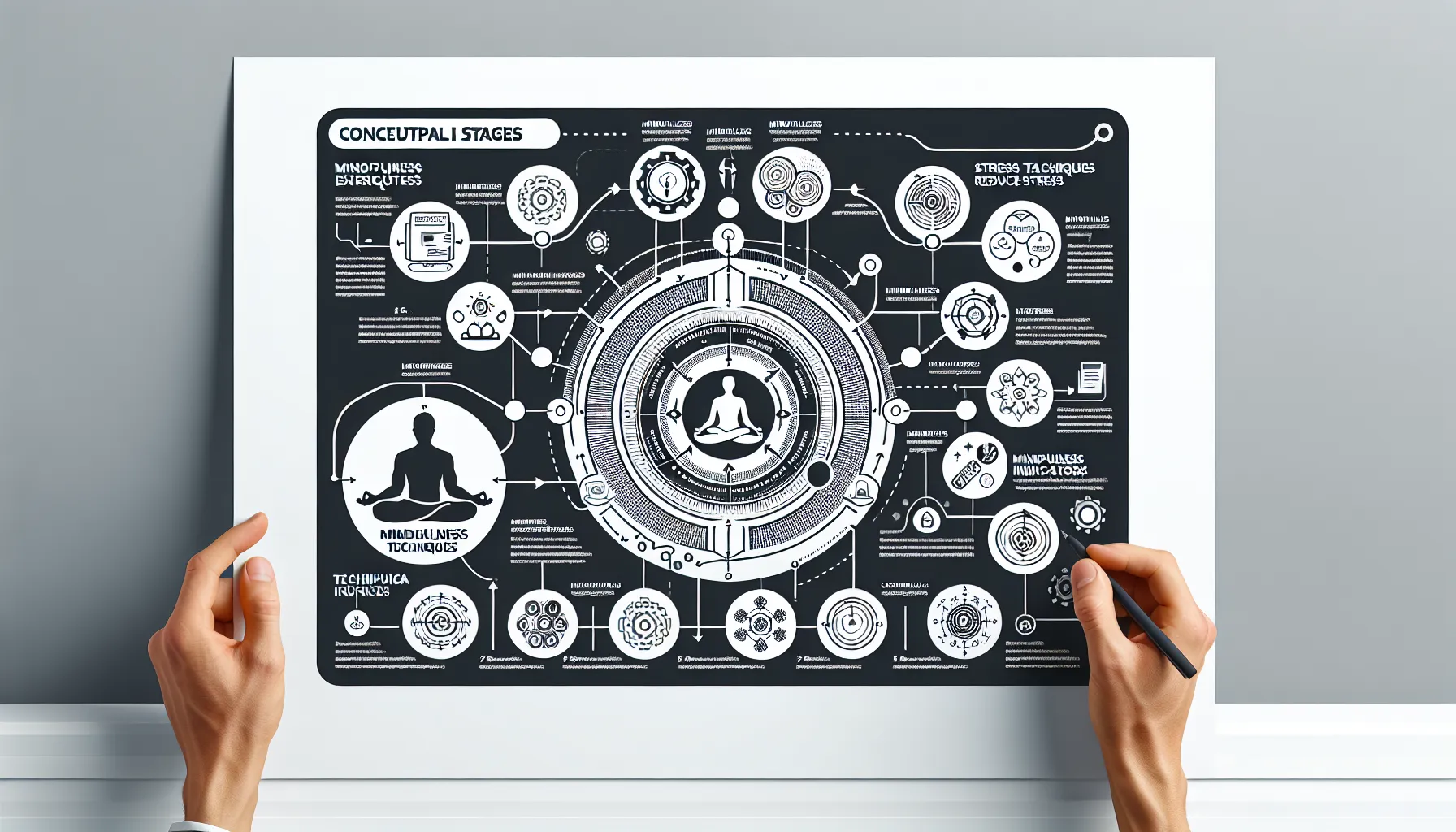
Incorporating Mindfulness into Daily Life
Integrating mindfulness techniques into daily routines can significantly enhance well-being and reduce stress. This section explores how to apply mindfulness practices in two key areas: the workplace and personal relationships. By adopting these mindfulness practices, individuals can cultivate a more focused, balanced, and harmonious life.
Mindfulness at Work
The workplace can often be a significant source of stress. According to the American Psychological Association, nearly 61% of adults report work as a significant source of stress, which can lead to decreased productivity and overall dissatisfaction. Implementing mindfulness techniques in the workplace can help mitigate these effects and foster a more productive environment.
Strategies for Mindfulness at Work:
Set Reminders for Mindfulness Practices:
- Utilize technology by setting reminders on your phone or computer to take short mindfulness breaks throughout the day. For example, a simple reminder every hour to take a few deep breaths can help reset focus.
Mindful Commute:
- Use the time spent commuting to practice mindfulness. Whether you’re driving or using public transportation, focus on your breath, listen to guided meditations, or engage in mindful observation of your surroundings.
Mindfulness Meetings:
- Start meetings with a minute of silence or a brief breathing exercise to help participants center themselves. This practice can enhance focus and foster a more collaborative environment.
Desk Meditation:
- Dedicate a few minutes at your desk for a mindfulness meditation. Focus on your breath or do a body scan to release tension. Research indicates that even short periods of mindfulness can lead to improved cognitive flexibility and emotional regulation (source: Harvard Business Review).
Digital Detox:
- Allocate specific times to disconnect from technology. This practice can help reduce overwhelm and allow for deeper focus on tasks at hand.
Recent studies have shown that organizations implementing mindfulness programs see a reduction in employee burnout and an increase in job satisfaction. A case study from Google鈥檚 鈥淪earch Inside Yourself鈥?program reported a notable increase in employee well-being and productivity (source: Harvard Business Review).
Mindfulness in Relationships
Mindfulness also plays a crucial role in enhancing personal relationships. Practicing mindfulness in interactions fosters better communication, understanding, and emotional connection. According to a study published by the Journal of Happiness Studies, couples who practice mindfulness report higher levels of relationship satisfaction.
Techniques for Mindfulness in Relationships:
Active Listening:
- Make a conscious effort to listen without interrupting. Being fully present during conversations can enhance understanding and empathy. This practice can lead to more meaningful and productive discussions.
Mindful Communication:
- Before reacting to a partner’s statement, take a moment to breathe and consider your response. This pause allows for a more thoughtful and compassionate reaction.
Shared Mindfulness Practices:
- Engage in mindfulness exercises together, such as meditative walks or yoga sessions. Sharing mindfulness practices can deepen emotional bonds and create a shared sense of tranquility.
Gratitude Journaling:
- Encourage each other to maintain a gratitude journal. Writing down things you appreciate about your partner can foster positivity and reduce stress within the relationship.
Mindful Conflict Resolution:
- Approach conflicts with a calm mindset. Use mindfulness techniques to manage emotions and communicate openly about feelings without blame.
Practicing mindfulness in relationships not only enhances communication but also leads to stronger emotional bonds. A recent survey by the Mindfulness Institute found that couples who practiced mindfulness reported a 30% increase in relationship satisfaction over six months (source: Psychology Today).
Conclusion
Incorporating mindfulness techniques into daily life, especially at work and in relationships, can provide significant benefits in stress reduction and overall well-being. By adopting these mindfulness practices, individuals can create a more balanced and fulfilling life. As the data shows, the integration of mindfulness into everyday activities not only enhances personal productivity and satisfaction but also nurtures healthier relationships. Embracing mindfulness is a valuable step in any stress management guide, providing practical reduce stress tips for anyone seeking a more peaceful existence.
Emerging Trends in Mindfulness Practices
As the world becomes increasingly fast-paced and stressful, mindfulness techniques have gained significant traction in both personal and institutional settings. This section explores two notable trends: the integration of technology into mindfulness practices and the rising adoption of mindfulness in schools.
Technology and Mindfulness
In recent years, technology has played a pivotal role in the dissemination and accessibility of mindfulness techniques. The rise of mindfulness apps reflects a trend towards digital solutions for stress management, catering to a growing population seeking effective stress reduction tips.
Mindfulness Apps: Applications such as Headspace and Calm have emerged as industry leaders, offering guided mindfulness sessions that can be accessed anytime and anywhere. According to a report by Statista, the global mindfulness app market is projected to reach approximately $4 billion by 2027, highlighting the increasing demand for digital wellness solutions.
User Engagement: Data from a survey conducted by the Pew Research Center indicates that around 30% of U.S. adults have used a mindfulness or meditation app. Users report a range of benefits, including lower stress levels and improved focus.
Innovative Features: Many apps now incorporate features such as reminders for mindfulness practice, progress tracking, and community engagement tools. For example, Headspace recently introduced a “Sleep” section that focuses on guided meditations designed to aid sleep, which is crucial for overall well-being and stress reduction.
The incorporation of technology into mindfulness practices not only makes these techniques more accessible but also aligns with the lifestyles of younger demographics who prefer mobile solutions. As mindfulness techniques continue to evolve, the role of technology will likely expand, providing even more innovative ways to integrate mindfulness into daily life.
Mindfulness in Schools
Another emerging trend is the integration of mindfulness practices in educational settings. Schools are increasingly adopting mindfulness programs to support student well-being, acknowledging the mental health challenges that many young individuals face today.
Program Implementation: A study published in the Journal of School Health found that schools implementing mindfulness programs reported improvements in student focus, emotional regulation, and overall mental health. These programs often include structured mindfulness practices, such as breathing exercises, meditation, and mindful movement.
Case Studies:
- A notable example is the Mindfulness in Schools Project in the UK, which has trained over 15,000 educators to deliver mindfulness programs in schools. According to their data, participating students showed an increase in emotional resilience and a decrease in anxiety levels.
- In the U.S., programs like Mindful Schools have reached thousands of children and educators, providing them with tools to manage stress effectively. Reports indicate that students who participated experienced improvements in attention and behavior.
Statistics: According to a recent survey by the Collaborative for Academic, Social, and Emotional Learning (CASEL), 70% of teachers believe that mindfulness practices help reduce stress in students and create a more conducive learning environment.
The implementation of mindfulness practices in schools not only assists students in managing stress but also fosters a culture of well-being that can have long-lasting effects on their academic and personal lives.
Conclusion
The integration of technology in mindfulness practices and the adoption of mindfulness programs in schools represent significant trends in the ongoing effort to address stress management. These emerging practices offer innovative solutions that cater to modern lifestyles and the unique challenges faced by young individuals today. As research continues to validate the benefits of mindfulness techniques, it is likely that these trends will expand, further embedding mindfulness into the fabric of daily life and education.
For more insights on mindfulness trends, you can explore the latest industry research from TechCrunch, or check out the findings from the Journal of School Health for detailed studies on mindfulness in education.

Future Projections for Mindfulness and Stress Reduction
Increased Research and Data
As the field of mindfulness continues to grow, ongoing research is expected to provide deeper insights into the efficacy of various mindfulness techniques. Recent studies have begun to illuminate the ways in which mindfulness can significantly impact mental health, particularly in reducing stress.
- A 2022 meta-analysis published in the journal Psychological Bulletin found that mindfulness-based interventions led to a moderate reduction in stress levels among participants, with effect sizes ranging from 0.5 to 0.7. This indicates a substantial impact, confirming the potential of mindfulness practices as effective stress management tools.
- The American Psychological Association reported that mindfulness can lower levels of the stress hormone cortisol, which is crucial for overall health. This underscores the physiological benefits of mindfulness techniques in stress reduction.
Emerging studies are also linking mindfulness to improved workplace culture, reinforcing the relevance of these practices in professional environments. For example:
- A 2023 study from the University of Massachusetts showed that organizations implementing mindfulness training reported a 25% decrease in employee stress levels and a notable improvement in team collaboration and communication.
- Furthermore, a survey conducted by the Center for Humane Technology indicated that companies that prioritize mindfulness and mental health initiatives saw a 15% increase in employee satisfaction and a 20% reduction in turnover rates.
These findings suggest that the future of mindfulness is not just about individual practice; it is becoming an integral aspect of holistic approaches to mental health and organizational wellness.
Potential for Workplace Integration
The potential for workplace integration of mindfulness practices is rapidly gaining traction. As stress continues to be a significant issue in modern work environments, organizations are beginning to recognize the importance of incorporating mindfulness as a standard practice for employee wellness.
- Companies like Google and Apple have already embraced mindfulness initiatives, offering programs such as “Search Inside Yourself” and mindfulness workshops, respectively. These programs are designed to teach employees mindfulness techniques that can enhance focus and reduce stress.
- A 2023 report from Deloitte noted that 67% of organizations were planning to increase their investment in mental health and wellness programs, including mindfulness training, over the next five years. This reflects a growing acknowledgment of the connection between employee well-being and productivity.
Notable examples include:
- Aetna: This health insurance company implemented a mindfulness program that resulted in a 28% reduction in stress levels among employees, alongside a 20% increase in productivity.
- Intel: The company has integrated mindfulness practices into its leadership training, leading to improved decision-making and a more resilient workforce.
These case studies illustrate how mindfulness can be effectively woven into corporate culture, making it a fundamental component of stress management strategies.
Conclusion
In summary, the future of mindfulness and stress reduction looks promising. With ongoing research providing valuable insights and workplaces increasingly recognizing the benefits of mindfulness practices, we can expect a significant shift in how organizations approach employee wellness. As mindfulness techniques continue to gain legitimacy through data-driven results, the integration of these practices will likely become a cornerstone of comprehensive stress management guides.
For further reading on mindfulness research and its implications in the workplace, you can explore resources from Harvard University, American Psychological Association, and Deloitte Insights.

Key Takeaways on Mindfulness Techniques
Mindfulness techniques are increasingly recognized as effective tools for reducing stress, providing individuals with practical strategies to enhance their mental well-being. At present, the integration of mindfulness into daily routines鈥攚hether through meditation, mindful breathing, or even simple moments of awareness鈥攈as been shown to yield significant benefits for mental health. These practices not only help individuals manage stress but also promote resilience, emotional regulation, and overall life satisfaction.
Incorporating mindfulness practices into daily life can lead to long-term mental health benefits, as evidenced by numerous studies highlighting their impact on decreasing anxiety and improving focus. By setting aside just a few minutes each day for mindfulness, individuals can create a buffer against the challenges of modern life. For those seeking to start their mindfulness journey, consider exploring resources such as Mindful.org, which offers a wealth of information on various techniques and exercises that can be seamlessly woven into daily routines.
Looking towards the future, there is a growing acceptance and integration of mindfulness in various sectors, including healthcare, education, and corporate environments. As organizations increasingly recognize the value of mental health, mindfulness is becoming a cornerstone of employee wellness programs and educational curricula. According to a recent report from Forbes, companies that prioritize employee well-being through mindfulness initiatives can enhance productivity and reduce turnover rates. This trend indicates a promising future where mindfulness is not only viewed as a personal practice but also as a collective strategy for fostering healthier communities.
As we navigate the complexities of modern life, it is vital to embrace these mindfulness techniques actively. Whether you are new to mindfulness or looking to deepen your practice, now is the time to take action. Start small by dedicating just five minutes each day to mindful breathing or a guided meditation. Over time, you may find that these moments of presence transform your relationship with stress and enhance your overall well-being.
In conclusion, the importance of mindfulness techniques in stress reduction cannot be overstated. They offer practical solutions to contemporary challenges, making mental health more accessible to everyone. With the growing integration of mindfulness into various sectors, there is a hopeful outlook for a future where well-being is prioritized. Now is the time to take that first step toward a more mindful, stress-free life.
Frequently Asked Questions
What are some simple mindfulness techniques I can start with?
You can start with techniques like focused breathing, where you concentrate on your breath for a few minutes, or body scanning, paying attention to different parts of your body. Another simple method is mindful observation, where you focus on an object and notice its details. Additionally, practicing gratitude through journaling can enhance your mindfulness. These techniques are effective in promoting awareness and reducing stress, making them accessible for beginners.
How does mindfulness help in managing stress?
Mindfulness helps in managing stress by promoting present-moment awareness, which allows individuals to step back from overwhelming thoughts. By focusing on the here and now, you can cultivate a sense of calm and reduce anxiety. This practice encourages non-judgmental observation of thoughts and feelings, which can lead to better emotional regulation. Research shows that regular mindfulness practice can lower cortisol levels, the hormone associated with stress, thus fostering overall mental well-being.
Can mindfulness practices be effective in a corporate environment?
Yes, mindfulness practices can be highly effective in a corporate environment. They can enhance focus, improve employee morale, and reduce stress levels among staff. Companies that incorporate mindfulness training report increased productivity and better teamwork. Simple techniques such as mindful breaks, guided meditation sessions, or even incorporating mindfulness into meetings can foster a more positive workplace culture. This ultimately leads to a healthier work-life balance and improved overall job satisfaction.
How long should I practice mindfulness to see results?
To experience the benefits of mindfulness, even short daily practices can be effective. Starting with just 5-10 minutes a day can produce noticeable results within a few weeks. Consistency is key; regular practice helps reinforce the habit and deepen your awareness. Over time, as you extend your sessions to 20 minutes or more, you may experience greater stress resilience and improved emotional regulation. The crucial factor is to find a routine that fits your lifestyle and stick with it.
What are the challenges of practicing mindfulness?
Some challenges of practicing mindfulness include difficulty focusing, intrusive thoughts, and impatience with the process. Beginners may feel frustrated if they don鈥檛 see immediate results or if their mind wanders frequently. Additionally, creating a consistent practice can be tough in a busy schedule. However, acknowledging these challenges is part of the journey. With time and persistence, individuals can learn to navigate these obstacles and reap the many benefits of mindfulness techniques for stress reduction.
Are there specific mindfulness apps I can use?
Yes, there are several mindfulness apps available that cater to various needs. Popular options include Headspace, Calm, and Insight Timer, each offering guided meditations, mindfulness exercises, and stress reduction techniques. These apps often feature customizable programs, making it easier for users to incorporate mindfulness into their daily routines. Many apps also provide reminders and tracking features to help maintain consistency, making them valuable tools in your journey toward reducing stress through mindfulness.
Can mindfulness techniques be combined with other forms of stress relief?
Absolutely! Mindfulness techniques can be effectively combined with other forms of stress relief, such as physical exercise, yoga, or creative activities. Integrating mindfulness into your daily workouts can enhance your focus and enjoyment. Similarly, practicing mindfulness during creative pursuits, such as painting or writing, can deepen your experience. This holistic approach allows for a more comprehensive strategy in managing stress, as it addresses both mental and physical well-being while promoting a balanced lifestyle.
How can I incorporate mindfulness into my daily routine?
Incorporating mindfulness into your daily routine can be done through small, intentional actions. Start by designating a few minutes each morning for mindful breathing or meditation. You can practice mindfulness during daily activities, like eating or walking, by focusing on the sensations and experiences in those moments. Setting reminders throughout the day can help you pause and engage in brief mindfulness exercises, such as gratitude reflections or mindful listening, making mindfulness an integral part of your everyday life.