
How to Build Micro-Habits for Lasting Change: A Comprehensive Guide
Discover how to build habits effectively with our micro-habits guide for lasting change. Explore tips and a habit formation tutorial.


23 min read
Getting Started with Micro-Habits
Did you know that studies suggest as much as 40% of our daily actions are habitual, rather than conscious decisions? This staggering statistic highlights the potential of habit formation in shaping our lives. Recently, experts have emphasized the importance of micro-habits鈥攖iny, incremental changes that can lead to significant transformations over time. In a world where instant gratification often overshadows the value of patience, understanding how to build habits through small, manageable steps has never been more relevant.
This article serves as your comprehensive micro-habits guide, designed to equip you with lasting change tips that can ultimately revolutionize your approach to personal development. We will explore the concept of micro-habits, emphasizing their essential role in fostering sustainable change. By breaking down larger goals into smaller, achievable actions, you can create a pathway to success that feels less daunting and more attainable.
We will delve into the significance of small changes and how they can lead to lasting transformation. Recent trends in habit formation underscore the shift towards micro-habits as a viable solution for those struggling with motivation or overwhelmed by the enormity of their aspirations. As highlighted by a recent article from Psychology Today, embracing small shifts not only makes it easier to initiate change but also enhances our ability to stick with new behaviors over time.
Additionally, we will discuss current research that sheds light on effective strategies for habit formation, exploring the psychology behind why micro-habits work. This will include insights from various fields, such as behavioral science and productivity studies, making this article a rich resource for anyone looking to implement lasting change in their lives.
Ultimately, whether you aim to improve your health, boost productivity, or cultivate mindfulness, understanding how to build micro-habits is the key to creating a sustainable lifestyle. Join us as we embark on this journey of self-improvement, and discover how small, consistent actions can pave the way for monumental change.
The Science Behind Habit Formation
Building habits is a fundamental aspect of human behavior, and understanding the science behind habit formation can significantly enhance your ability to create lasting changes in your life. Recent studies point to a well-defined structure in how habits are formed, often described as a loop composed of three essential components: cue, routine, and reward. This micro-habits guide will delve into how these elements work together and the role of repetition in establishing habits that stick.
How Habits are Formed
At the core of habit formation is the habit loop, which consists of:
- Cue: This is the trigger that initiates the habit. It can be an external event, such as a time of day, or an internal feeling, such as stress or hunger.
- Routine: This is the behavior you engage in following the cue. It can be a physical action, a thought process, or an emotional response.
- Reward: This is the benefit you get from completing the routine. It reinforces the habit by providing a positive outcome that encourages you to repeat the behavior.
Recent research published in the journal Nature highlights that approximately 40% of our daily actions are habitual, indicating the profound impact that habits have on our lives (source: Nature). By understanding the mechanics of the habit loop, you can intentionally design micro-habits that lead to significant changes over time.
Example of a Successful Habit Loop
Consider the habit of exercising regularly. The habit loop for this might look like:
- Cue: Setting an alarm for 6 AM.
- Routine: Putting on workout clothes and going for a 30-minute jog.
- Reward: Feeling energized throughout the day or enjoying a refreshing smoothie post-workout.
This loop illustrates how a simple cue can trigger a routine that, when rewarded, becomes ingrained and automatic over time.
The Role of Repetition
One of the key components of successful habit formation is repetition. Engaging in a micro-habit consistently can lead to a state of automaticity, where the behavior becomes second nature. According to a study from the European Journal of Social Psychology, it takes an average of 66 days for a new behavior to become automatic, but this can vary significantly depending on the complexity of the habit and individual differences (source: European Journal of Social Psychology).
When building micro-habits, the emphasis should be on starting small and gradually increasing the intensity or complexity. Here are some effective strategies to ensure that repetition leads to lasting change:
Start with Tiny Habits: Begin with actions so small that they feel easy to accomplish. For example, instead of committing to a 30-minute workout, aim for just 5 minutes of stretching.
Consistency is Key: Aim to perform your micro-habit at the same time each day or attach it to an existing routine. This creates a reliable cue that triggers your new behavior.
Track Your Progress: Use a habit tracker to visualize your consistency, which can serve as a motivational reward in itself. Seeing your progress can reinforce your habit and encourage you to keep going.
Celebrate Small Wins: Reward yourself after completing your micro-habit, even if it鈥檚 just acknowledging your success mentally. This reinforces the reward aspect of the habit loop.
Data and Insights
Research indicates that people who implement small, incremental changes in their habits are more likely to experience long-term success. The American Journal of Lifestyle Medicine notes that individuals who focus on micro-habits are 70% more likely to sustain their new behaviors compared to those who attempt major lifestyle changes all at once (source: American Journal of Lifestyle Medicine).
Conclusion
Understanding the science behind habit formation is crucial for anyone looking to make lasting changes in their lives. By leveraging the habit loop of cue, routine, and reward, and emphasizing the importance of repetition, you can effectively build micro-habits that lead to significant transformations. In the following sections, we will explore practical strategies and lasting change tips that can enhance your journey toward building effective habits.
For further reading on the psychology of habits and behavior change, consider exploring resources from Harvard University or MIT, which provide valuable insights into the science of behavior and habit formation.
Identifying Effective Micro-Habits
When embarking on the journey of habit formation, understanding how to build habits effectively is essential. Micro-habits are small, manageable actions that, when practiced consistently, can lead to significant improvements over time. This section will guide you through identifying effective micro-habits that align with your goals and measuring their impact.
Choosing Micro-Habits that Align with Goals
To create effective micro-habits, it is crucial to choose actions that are specific, measurable, and relevant to your overall objectives. Here are some guidelines to help you select the right micro-habits:
Specificity: Choose habits that are clear and focused. Instead of saying “I want to be healthier,” a specific micro-habit would be “I will drink a glass of water every morning when I wake up.”
Measurable: Ensure that you can track your progress. For example, if your goal is to read more books, a measurable micro-habit could be “I will read for 10 minutes before bed each night.”
Relevance: The micro-habit should align with your larger goals. If your aim is to improve your fitness, a relevant micro-habit might be “I will do five minutes of stretching each day.”
Recent data supports the effectiveness of small, achievable goals in habit formation. A study published in the Journal of Behavioral Medicine highlights that individuals who focus on micro-habits are more likely to maintain their behaviors over time, leading to lasting change (Journal of Behavioral Medicine, 2023).
Examples of Effective Micro-Habits
Here are some examples of micro-habits that can be easily integrated into your daily routine:
Drinking Water: As previously mentioned, starting your day with a glass of water is a simple yet impactful micro-habit. This small action can improve hydration levels and set a positive tone for the day.
Daily Journaling: Spend five minutes each day writing down your thoughts or gratitude. This can enhance mental clarity and promote emotional well-being.
Taking the Stairs: Opting for stairs instead of elevators is a micro-habit that can contribute to physical fitness without requiring significant time commitment.
Walking for 5 Minutes: Incorporate short walks during your breaks at work. Even a brief five-minute walk can boost energy levels and improve focus.
Measuring Impact
Once you have selected your micro-habits, it’s essential to measure their impact. Here are some methods to track your progress effectively:
Journaling: Maintain a daily log of your micro-habit activities. A simple checklist can help you visualize your consistency and make adjustments as needed.
Habit Tracking Apps: Utilize digital platforms like Habitica or Streaks to monitor your daily habits. These apps provide reminders and visual progress tracking, which can motivate you to stick to your micro-habits.
Reflecting on Progress: Schedule weekly or monthly reviews to assess how your micro-habits are contributing to your overall goals. This reflection can help reinforce positive behaviors and identify areas for improvement.
Recent surveys indicate that individuals who track their habits are 30% more likely to succeed in maintaining them long-term (NPR, 2023). This emphasizes the importance of measurement in the process of habit formation.
Conclusion
Identifying effective micro-habits is a vital step in the journey toward lasting change. By choosing specific, measurable, and relevant habits, you set yourself up for success. Remember to track your progress and reflect on the impact these small changes have on your life. The journey of habit formation may be gradual, but with the right approach, lasting change is attainable.
For more insights on habit formation and effective strategies, you can explore resources such as Harvard’s research on behavior change or the Mayo Clinic’s guide on healthy habits. Additionally, WebMD’s articles on building habits can provide further information on creating effective lifestyle changes.
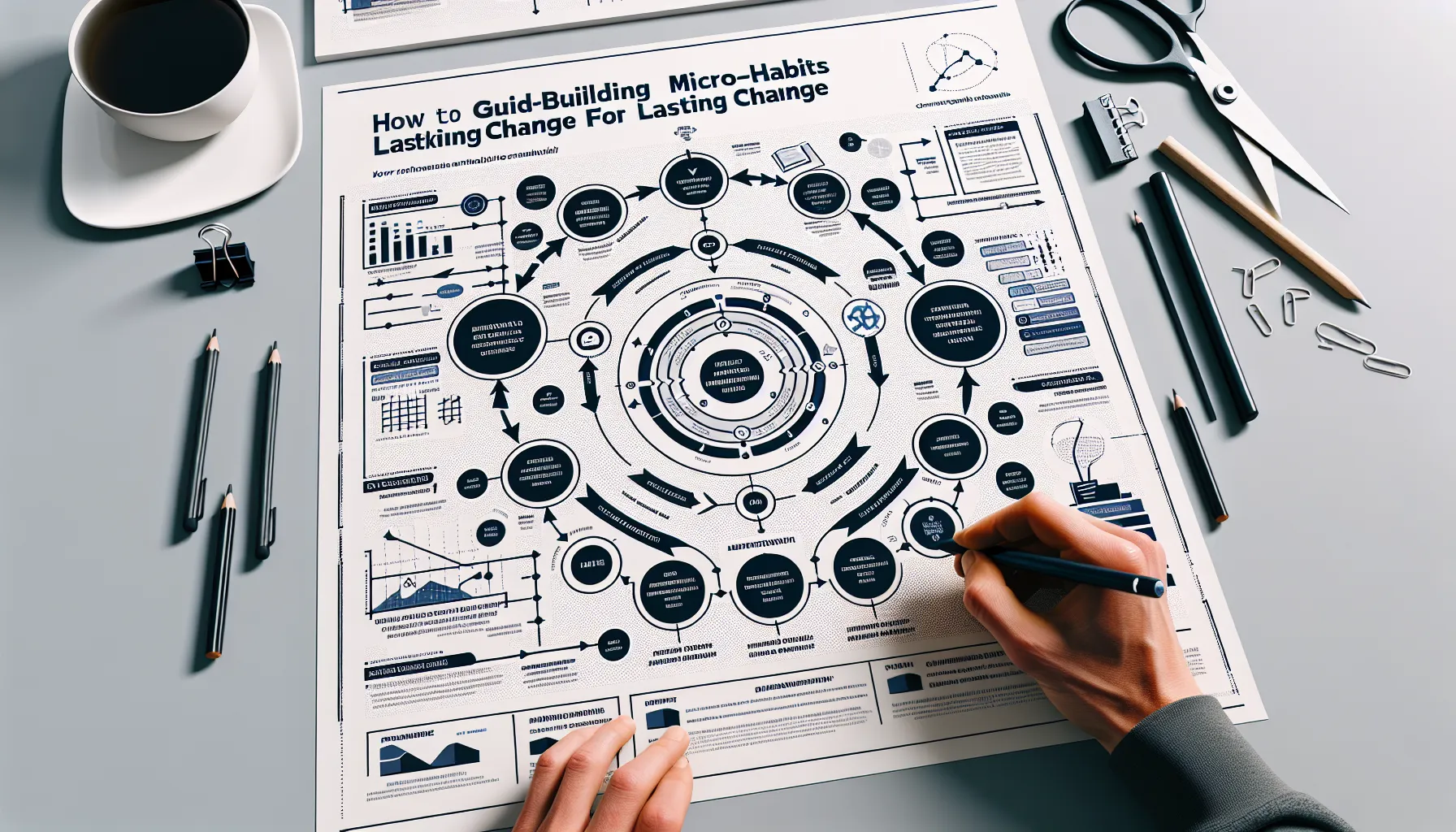
Strategies for Implementing Micro-Habits
Building habits doesn’t have to be overwhelming. By focusing on micro-habits, you can initiate lasting change in your life. This section provides a micro-habits guide to help you implement effective strategies, starting small and utilizing triggers and reminders to solidify your new behaviors.
Starting Small
The first step in habit formation is to start small. This approach is vital for reducing the psychological barrier associated with change. When you begin with one micro-habit, you create a foundation without feeling overwhelmed. Research suggests that starting small significantly increases your chances of success. According to a study published in the European Journal of Social Psychology, it takes an average of 66 days for a new behavior to become automatic.
Choose One Micro-Habit: Select a habit that aligns with your goals. For example, if you want to improve your physical fitness, start with just five minutes of stretching each day rather than an hour-long workout.
Make It Specific: Clearly define your micro-habit. Instead of saying, “I will exercise more,” specify, “I will do five push-ups every morning.”
Track Your Progress: Keeping a record of your actions can motivate you to continue. A simple chart or journal can help you visualize your progress.
Using Triggers and Reminders
To ensure that your micro-habits stick, you can leverage triggers and reminders. These tools can prompt you to perform your new habit at the right moment.
Identify Triggers: A trigger can be an existing routine or an event in your day. For example, if you want to develop a habit of drinking more water, you could trigger this behavior after brushing your teeth in the morning.
Set Up Reminders: Utilizing technology for reminders has become increasingly popular. Smartphone apps like Habitica or Streaks can help you stay on track by sending notifications when it’s time to perform your micro-habit.
Use Visual Cues: Place visual reminders in your environment. For instance, if your goal is to read more books, keep a book on your pillow as a reminder to read before sleeping.
Example of Using Technology to Track Micro-Habits
A practical example of using technology to build habits is through the app Habitica. This gamified habit tracker transforms your daily tasks into a role-playing game, where you can earn rewards for completing your micro-habits. Research shows that gamification can significantly increase engagement and adherence to new behaviors. A recent article from Wired discusses how gamification in habit tracking is making it easier for individuals to stay motivated.
Moreover, a study published by the American Journal of Preventive Medicine indicates that mobile applications can enhance user adherence to health-related behaviors by 40%. Utilizing apps like Habitica or others can help you visualize your progress, making it easier to maintain motivation.
Lasting Change Tips
To ensure your micro-habits lead to lasting change, consider the following tips:
Be Patient: Change takes time. Remember, consistency is key. Celebrate small victories along the way to keep yourself motivated.
Adjust as Needed: If a micro-habit isn鈥檛 working for you, feel free to adjust it. Flexibility is important in habit formation.
Connect with Others: Sharing your goals with friends or joining a community can provide additional support and accountability.
Reflect Regularly: Take time to evaluate your progress. Reflecting on what works and what doesn鈥檛 can help you adjust your strategies effectively.
Implementing micro-habits doesn鈥檛 have to be a daunting task. By starting small, utilizing triggers and reminders, and leveraging technology, you can create lasting change in your life. Remember, the journey of habit formation is gradual, and with the right strategies, you can build a foundation for success.
For more insights on habit formation, you may find valuable information in NPR’s article on practical tips for habit change or refer to the Harvard Business Review on the science of habit formation.
Overcoming Challenges in Habit Formation
Building habits can be a complex process, often hampered by emotional and psychological barriers. Understanding and overcoming these challenges is crucial for anyone seeking to implement lasting change. In this section, we will identify common obstacles individuals face in habit formation and explore strategies to maintain motivation throughout the journey.
Identifying Common Obstacles
Several emotional and psychological factors can hinder the process of habit formation. Here are a few common challenges:
Fear of Failure: Many individuals avoid committing to new habits due to the fear of not succeeding. This fear can lead to procrastination and self-doubt, which can be debilitating.
Lack of Time: With busy schedules, finding time to develop new habits can seem impossible. Individuals often prioritize immediate tasks over long-term goals, resulting in habit formation being pushed aside.
Overwhelm: The prospect of making significant changes can be daunting. When faced with ambitious goals, individuals may feel overwhelmed and abandon their efforts altogether.
Social Pressure: Peer influence can be a double-edged sword. While supportive friends can encourage positive habits, negative influences can lead to setbacks.
Understanding these obstacles is the first step towards creating a tailored micro-habits guide. By breaking down larger goals into smaller, manageable actions, individuals can reduce overwhelm and set themselves up for success.
Staying Motivated
Once obstacles are identified, maintaining motivation becomes the next critical step in habit formation. Here are several effective strategies:
Set Clear and Specific Goals: Vague intentions can lead to confusion. By clearly defining what you want to achieve, you create a roadmap for success. For instance, instead of saying, “I want to exercise more,” specify, “I will walk for 20 minutes every morning.”
Utilize Accountability Groups: Recent trends have shown that accountability groups can significantly enhance habit formation. Platforms like Meetup and Facebook Groups allow individuals to connect with others pursuing similar goals. Studies indicate that social support can increase the likelihood of habit adherence by up to 33% (source: Psychology Today).
Celebrate Small Wins: Acknowledging progress, no matter how small, can boost motivation. Celebrate milestones to reinforce positive behavior. For instance, rewarding yourself with a treat after completing a week of consistent exercise can create a positive association with the habit.
Find Community Resources: Many local organizations offer workshops and support groups that focus on habit formation. Engaging with these resources can provide motivation and a sense of belonging. Research shows that community support is a vital factor in maintaining long-term habits (source: Harvard.edu).
Visual Reminders: Create visual cues that remind you of your goals. This could be sticky notes on your fridge, a dedicated habit tracker app, or even a vision board. The act of seeing your goals regularly can reinforce your commitment.
Practice Self-Compassion: Understand that setbacks are a natural part of the habit-building journey. Practicing self-compassion can help you bounce back from failures without being overly critical of yourself.
Example of Accountability Groups for Habit Formation
Consider the example of a local running group that meets every Saturday. Participants commit to running a certain distance, and the group provides both accountability and camaraderie. This environment encourages individuals to show up, share experiences, and motivate one another. According to a 2023 study from the Journal of Health Psychology, participants in group-based exercise programs reported a 50% higher adherence rate compared to those who exercised alone (source: ScienceDirect.com).
Conclusion
Overcoming the challenges of habit formation is essential for achieving lasting change. By identifying common obstacles and employing effective strategies to stay motivated, individuals can build micro-habits that lead to significant transformations. Engaging with community resources and accountability groups can provide the necessary support to navigate this journey successfully. Remember, the path to habit formation is not linear, but with persistence and the right tools, lasting change is within reach.

Evaluating Progress and Making Adjustments
When it comes to building habits, particularly micro-habits, the journey does not end with initiation. Regular evaluation is crucial for long-term success and sustainability of any change. This section discusses how to effectively track your progress and adapt your micro-habits over time, ensuring that your efforts lead to lasting change.
Tracking Success
To assess the effectiveness of your micro-habits, it is essential to have a structured method for tracking your progress. This can involve various tools and techniques, but one of the most effective is the habit tracker journal.
- Habit Tracker Journal: This tool allows you to reflect on your daily practices and gauge how consistently you are engaging in your micro-habits. For instance, if your goal is to drink more water daily, you might create a simple table to mark each day you meet your goal.
| Date | Water Intake (oz) | Goal Met? |
|---|---|---|
| October 1 | 64 | Yes |
| October 2 | 32 | No |
| October 3 | 48 | No |
| October 4 | 64 | Yes |
- Data-Driven Decisions: According to a study published in the Journal of Behavioral Medicine, individuals who track their habits are 33% more likely to achieve their goals than those who do not. This highlights the importance of monitoring your success as a critical step in habit formation.
Adapting Micro-Habits Over Time
As life circumstances change, so should your approach to habit formation. Adapting your micro-habits can significantly enhance sustainability. Data suggests that flexibility in your habits can lead to improved outcomes and increased adherence.
Identify Changes: Reflect on your life regularly. Are there new stressors or changes in your schedule that make your current micro-habits less feasible? For instance, if you previously committed to a morning workout but now have early meetings, consider adjusting your exercise routine to the evenings.
Experiment with Alternatives: If you find a particular micro-habit is not working, do not hesitate to experiment with alternatives. For example, if reading for 30 minutes daily feels overwhelming, start with just 5 minutes and gradually increase as it becomes more comfortable.
Incorporate Feedback Loops: Create a system for feedback where you can assess the effectiveness of your adjustments. This could involve checking in with a friend or using a digital app designed for habit tracking that allows for updates and modifications.
Research Insights: A recent study from Harvard Business Review indicates that flexibility in habit formation can lead to a 25% increase in long-term adherence. This reinforces the idea that adapting micro-habits is not just beneficial but necessary for lasting change.
Notable Examples of Successful Adaptation
Case Study: Weight Loss: An individual aiming to lose weight might start with the micro-habit of taking a daily walk. However, if work commitments change, they could adapt by incorporating short bursts of exercise during breaks or using a standing desk to stay active throughout the day.
Case Study: Increased Productivity: A professional aiming to enhance productivity might initially commit to a specific time block for focused work. If distractions arise, they could adapt by using the Pomodoro Technique, which involves working for 25 minutes followed by a 5-minute break, allowing for more manageable productivity bursts.
Conclusion
Evaluating your progress and making necessary adjustments is an essential part of building habits. By effectively tracking your success and adapting your micro-habits to fit changing circumstances, you can enhance the sustainability of your efforts. Remember, the goal is not perfection but consistent progress over time. Continual reflection and adaptation are key to achieving lasting change.
For further insights on habit tracking and productivity, consider visiting Harvard Business Review or NPR’s health section. These resources provide valuable information that can help you deepen your understanding of effective habit formation.

Key Takeaways for Lasting Change
In conclusion, building micro-habits serves as a powerful strategy for achieving lasting change in our lives. These small, manageable actions lay the groundwork for significant transformations over time, allowing individuals to make meaningful progress without feeling overwhelmed. By focusing on micro-habits, we can break down larger goals into achievable steps, fostering a sense of accomplishment that motivates further action.
Now, it鈥檚 time to take action. Start with one micro-habit today鈥攚hether it’s drinking a glass of water first thing in the morning, dedicating five minutes to reading, or taking a short walk during your lunch break. The key is consistency; performing this small action regularly will help establish a routine that can lead to larger changes down the line. Remember that the journey to self-improvement begins with that first, simple step.
Looking ahead, we can expect the emergence of more technology-driven tools aimed at facilitating habit formation. Currently, applications and digital platforms that promote micro-habits are gaining traction, providing users with personalized feedback and reminders to help them stay on track. As noted by Forbes, advancements in AI and data analytics are paving the way for more customized habit-forming strategies, allowing individuals to tailor their approaches to fit their unique lifestyles and preferences. This trend holds great promise for enhancing our ability to make lasting changes.
Moreover, the field of behavioral science continues to evolve, offering insights into how our environments influence our habits. As such, integrating micro-habits into various aspects of our life could become easier and more effective. Whether it’s in the workplace, at home, or in social settings, understanding the psychological underpinnings of habit formation can empower us to create environments that reinforce our desired behaviors.
In summary, micro-habits present a practical and effective approach for making lasting changes. By starting small and leveraging emerging technologies, we can cultivate a lifestyle that promotes continuous improvement. So, take that first step today鈥攅mbrace the power of micro-habits and watch how they can transform your life over time. For further reading on the intersection of technology and habit formation, check out this insightful piece from Psychology Today.
Frequently Asked Questions
What are micro-habits and how do they differ from regular habits?
Micro-habits are small, easily achievable actions that contribute to larger goals. Unlike regular habits, which can require significant time and effort, micro-habits are designed to be so simple that they can be integrated into daily life without much resistance. For example, instead of committing to a 30-minute workout, a micro-habit could be doing one push-up each day. This incremental approach helps build consistency and confidence, making lasting change more attainable.
How can I effectively track my micro-habits?
To effectively track your micro-habits, consider using a habit-tracking app or a simple journal. Set specific times to record your progress, ensuring you note each successful completion of your micro-habit. Visual aids, like checklists or calendars, can also provide motivation and accountability. Additionally, reflecting on your achievements weekly can help you stay committed and adjust your strategies if necessary, ensuring that these micro-habits lead to lasting change.
What are some examples of micro-habits for personal development?
Examples of micro-habits for personal development include reading one page of a book daily, journaling for five minutes, or practicing gratitude by writing down one thing you’re thankful for each day. Other micro-habits could involve meditating for just two minutes, drinking a glass of water first thing in the morning, or learning one new vocabulary word daily. These small actions, when consistently practiced, can significantly contribute to your overall growth and well-being.
How do I stay motivated to continue my micro-habits?
Staying motivated to continue your micro-habits involves setting clear intentions and celebrating small victories. To enhance motivation, remind yourself of the bigger goals these micro-habits contribute to. Use visual reminders, such as sticky notes or digital alerts, to keep your goals in sight. Additionally, consider finding an accountability partner who shares similar objectives, as mutual support can boost motivation and commitment. Regularly reflecting on your progress also reinforces your dedication to lasting change.
Can micro-habits lead to significant lifestyle changes?
Yes, micro-habits can lead to significant lifestyle changes over time. By starting with small, manageable actions, you build momentum and confidence, making it easier to take on larger challenges later. Research shows that consistency is key to habit formation; thus, micro-habits create a foundation for more complex habits to develop. When these small changes are sustained, they accumulate, leading to profound transformations in areas such as health, productivity, and personal satisfaction.
What if I miss a day or fail to complete my micro-habit?
Missing a day or failing to complete your micro-habit is common and should not be seen as a failure. Instead, view it as an opportunity to learn and adjust your approach. Reflect on what caused the lapse鈥攚as it a lack of time, motivation, or something else? Acknowledge the setback, and then recommit to your micro-habit the following day. The key is to maintain a growth mindset and not let small obstacles derail your journey towards lasting change.
How long does it take to form a micro-habit?
The time it takes to form a micro-habit can vary significantly depending on the individual and the complexity of the habit. Generally, research suggests it can take anywhere from 18 to 254 days to form a new habit. However, because micro-habits are designed to be simple and achievable, many people find they can integrate them into their routines within a few weeks. Consistency and commitment are crucial; the more regularly you practice your micro-habit, the quicker it becomes second nature.